What are the Benefits of Zirconium Oxide Beads in Industries?
Zirconium Oxide Beads have gained significant attention across various industries. These beads are known for their excellent durability and high resistance to wear. Their unique properties make them ideal in several applications, including grinding and polishing.
In the abrasive industry, Zirconium Oxide Beads stand out. They deliver superior performance in reducing particle size and improving surface finish. These beads can withstand heavy loads, making them suitable for tough environments. However, their high cost may limit some companies from utilizing them fully.
Beyond abrasives, other sectors benefit from these beads too. In medicine, for instance, they are used in dental implants and prosthetics. Yet, the challenge lies in balancing performance and affordability. Zirconium Oxide Beads offer potential, but industries must carefully consider their investment.
Benefits of Zirconium Oxide Beads in Industrial Applications
Zirconium oxide beads offer numerous benefits in various industrial applications. These beads are widely recognized for their exceptional hardness and durability. In grinding and milling processes, they minimize wear and tear on machinery. This leads to cost savings in maintenance and replacement. The precise size and shape of these beads enhance the efficiency of processes like dispersion and mixing.
In the field of ceramics, zirconium oxide beads play a crucial role. They improve the strength and reliability of ceramic products. The high thermal stability of these beads ensures performance in extreme conditions. In industries like electronics, these beads help in the creation of fine powders for various components. However, sourcing high-quality beads can present challenges. Ensuring consistent quality and performance may require ongoing assessment.
Using zirconium oxide beads also raises questions about environmental impact. While they are effective, the production process requires energy and resources. Industries must reflect on how they can balance performance with sustainability. Continuous research is needed to enhance the properties of these beads while minimizing environmental footprints. Addressing these concerns is essential for the future of industrial applications.
Superior Wear Resistance of Zirconium Oxide Beads for Longevity
Zirconium oxide beads are remarkable due to their superior wear resistance. Their unique properties make them an ideal choice in various industries. In ceramic and pigment formulations, they exhibit a low wear rate, enhancing longevity. According to a 2022 report by a materials science journal, zirconium oxide beads maintain structural integrity even under extreme conditions. This is crucial for industries reliant on durability.
The lifespan of zirconium oxide beads significantly reduces operational costs. Equipment using these beads experiences fewer replacements. In a study, industries reported that switching to zirconium oxide beads decreased maintenance turnover by over 30%. This not only improves efficiency but also boosts productivity. The beads’ resistance to chemical corrosion further ensures long-term reliability. Users can trust their consistent performance, leading to smoother operations.
Despite their benefits, some might encounter challenges with initial costs. Zirconium oxide beads can be pricier than alternatives. However, the long-term savings tend to outweigh this initial investment. Many companies express concern over these upfront costs. It’s essential to evaluate total cost of ownership. In many cases, the transition to zirconium oxide beads proves to be more cost-effective. This is a key consideration in making an informed decision for industrial applications.
Benefits of Zirconium Oxide Beads in Industries
Chemical Inertness of Zirconium Oxide Beads in Various Environments
Zirconium oxide beads are known for their chemical inertness in various environments. This property makes them highly valuable in many industrial applications. For instance, they do not react with acids or bases, maintaining stability in extreme conditions. Recent studies show that zirconium oxide can withstand temperatures over 2000°C without degradation. This durability is essential in high-temperature applications.
In environments where other materials might corrode or degrade, zirconium oxide beads shine. They resist chemical attack, which is critical in chemical processing industries. A report from the Journal of Materials Science highlights that these beads can last up to 10 times longer than traditional materials in harsh conditions. This longevity reduces maintenance costs and downtime.
**Tips:** When selecting beads for specific tasks, consider the environmental conditions. Always conduct tests to determine the compatibility of zirconium oxide with your materials. Remember that not all applications require the same properties, so tailor your choice to your needs.
However, the high cost of zirconium oxide may be a limitation. Companies must assess whether the benefits outweigh the investment. The initial expenditure may deter some, but long-term savings could justify the price. Balancing cost and performance can lead to better decision-making.
What are the Benefits of Zirconium Oxide Beads in Industries? - Chemical Inertness of Zirconium Oxide Beads in Various Environments
| Industry |
Benefits of Zirconium Oxide Beads |
Chemical Inertness Level |
Typical Applications |
| Pharmaceutical |
High resistance to chemical reagents |
Excellent |
Milling of active pharmaceutical ingredients |
| Food & Beverage |
Non-reactive, maintains taste integrity |
Very High |
Grinding of food products |
| Cosmetics |
Safe for skin contact, non-toxic |
Excellent |
Milling and dispersing of cosmetic ingredients |
| Chemical Manufacturing |
Stability in aggressive chemical environments |
High |
Mixing and dispersion of chemical formulations |
| Paints & Coatings |
Prevents contamination, enhances durability |
Very High |
Grinding of pigments and additives |
Enhanced Efficiency in Milling and Grinding Processes with Zirconium Oxide
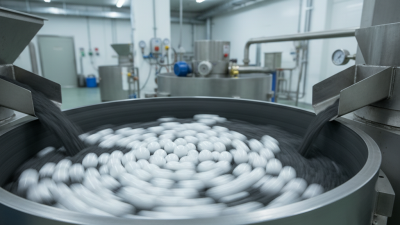
Zirconium oxide beads are gaining popularity in milling and grinding processes across various industries. Their high density and hardness facilitate effective material reduction. Studies show that using zirconium oxide beads can improve grinding efficiency by up to 30%. This increase translates into significant cost savings for manufacturers.
In the ceramics and coatings sectors, zirconium oxide beads improve the quality of end products. The beads minimize contamination during processing, ensuring purity in materials. Reports indicate that products processed with zirconium oxide show a 20% increase in durability. This is crucial for industries where product lifespan is vital.
Despite these benefits, the transition to zirconium oxide may present challenges. The initial investment is higher, and some users report difficulty in adjusting current processes. Continuous training and adaptation are essential for seamless integration. Companies must weigh the benefits against these hurdles to optimize productivity.
Cost-effectiveness of Using Zirconium Oxide Beads in Manufacturing
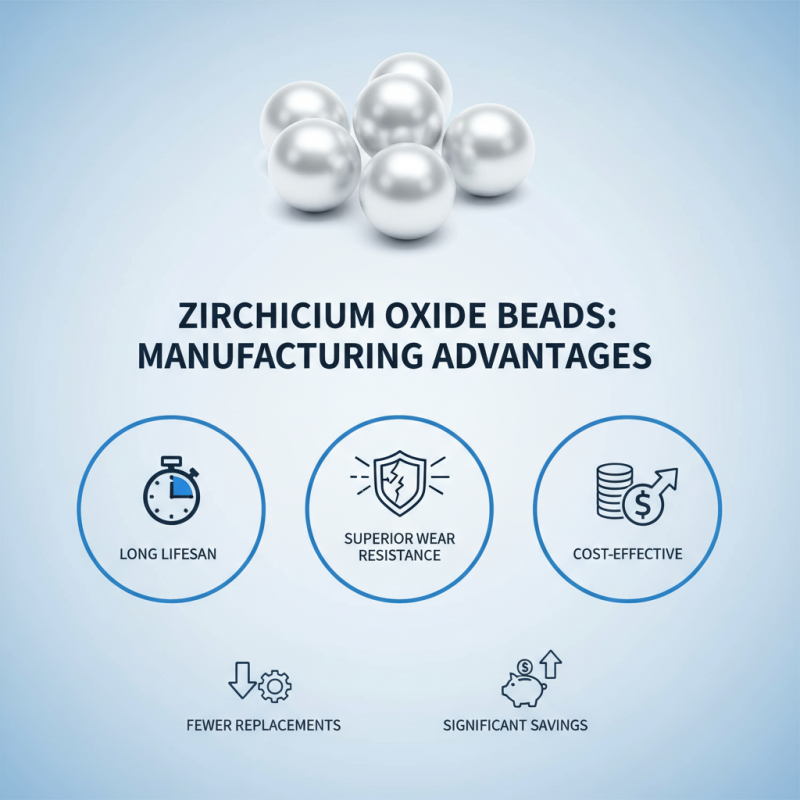
Zirconium oxide beads are increasingly popular in manufacturing. They offer unique benefits, particularly in cost-effectiveness. These beads have a long life span. They resist wear and tear better than many alternatives. This durability can lead to fewer replacements over time, saving money.
The manufacturing process demands efficiency. Zirconium oxide beads help enhance efficiency in grinding and milling applications. Their density allows for effective particle size reduction. This can speed up production rates, translating to increased output. However, the initial cost may be higher than other materials. Businesses must evaluate whether the upfront investment aligns with long-term savings.
Another critical aspect is versatility. Zirconium oxide beads can work in various industries, from ceramics to electronics. This adaptability makes them a valuable tool in diverse applications. Some companies may underestimate their utility, focusing only on cost. A more comprehensive view could reveal significant advantages in both quality and price.