What is Zirconia Ceramic Ball and Its Top Applications in 2026?
Zirconia Ceramic Ball has emerged as a crucial innovation in various industries. This advanced material offers exceptional durability and wear resistance. According to market research by Grand View Research, the global ceramic ball market is projected to reach $1.5 billion by 2026. This growth is driven largely by the rising demand for high-performance materials.
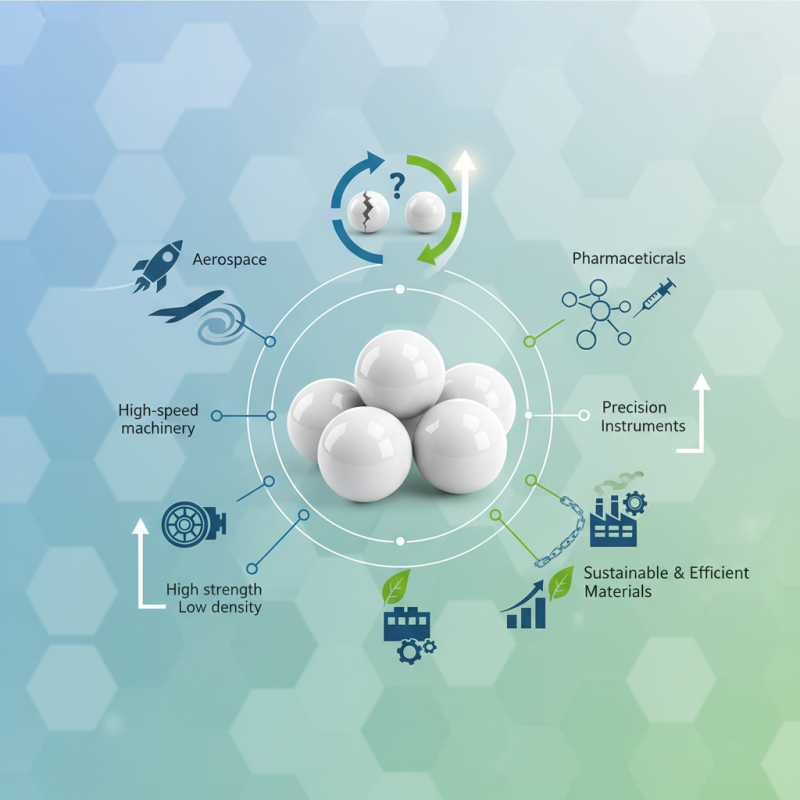
The unique properties of Zirconia Ceramic Ball make it ideal for applications in sectors like aerospace, automotive, and pharmaceuticals. Its low density and high strength contribute to efficiency in high-speed machinery and precision instruments. Yet, challenges remain. Not all manufacturers achieve the same quality standards. Some Zirconia ceramic products may still exhibit inconsistencies in reliability.
As industries evolve, the focus on sustainable and efficient materials grows. Zirconia Ceramic Balls are increasingly viewed as the go-to solution. However, companies must address production variability to fully unlock the potential of this promising material. The road ahead is filled with opportunities and challenges. As we approach 2026, the future of Zirconia Ceramic Ball looks bright yet requires careful consideration.
What is Zirconia Ceramic Ball?
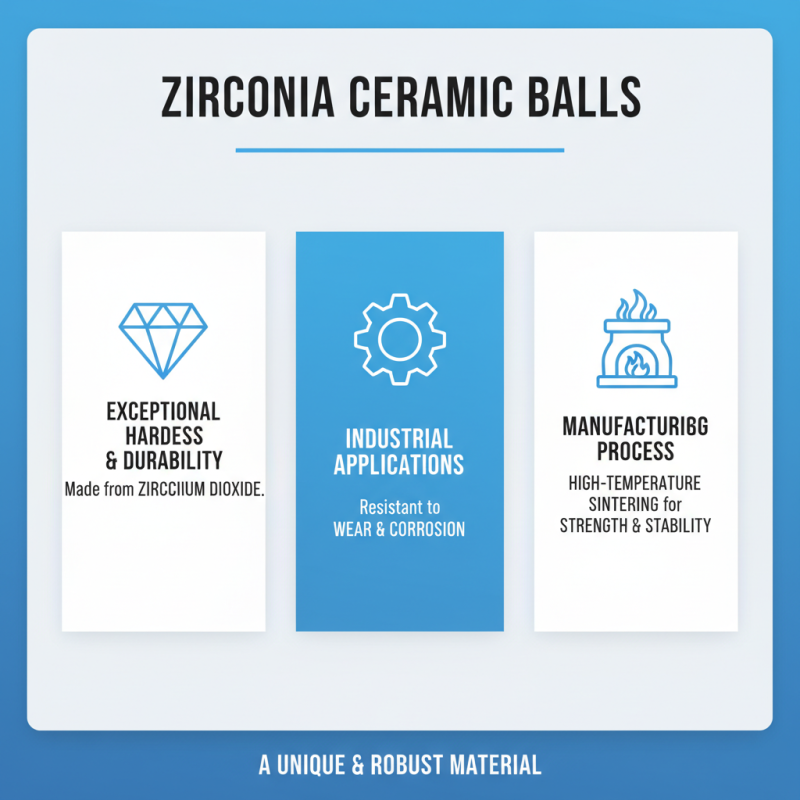
Zirconia ceramic balls are unique materials known for their exceptional hardness and durability. These balls are made from zirconium dioxide, a compound that naturally occurs in minerals. They are used in several industries due to their impressive resistance to wear and corrosion. The manufacturing process involves high-temperature sintering, which enhances their strength and stability.
In 2026, the applications of zirconia ceramic balls are expected to expand. They are already being utilized in precision ball bearings and grinding media. These applications require materials that can withstand extreme conditions. The ability to maintain their structure under high stress is vital. Furthermore, these balls are lighter than traditional ceramic options, providing efficiency advantages in many settings.
However, challenges remain. The production process can be costly, affecting overall affordability. Competing materials might offer similar benefits at lower prices. Companies may need to innovate in production techniques or explore alternative uses. Continuous improvement in performance and cost-effectiveness will shape the future of zirconia ceramic balls.
Key Properties of Zirconia Ceramic Balls
Zirconia ceramic balls are known for their impressive properties. They exhibit high strength and durability. These balls have a low wear rate, making them suitable for various applications. They are resistant to corrosion and chemicals. This makes them ideal in challenging environments.
One key property is their high toughness. Zirconia can withstand significant impacts and stress. This is crucial in industries that require reliability. For instance, in the automotive sector, these balls are used in bearings. They help improve the longevity of vehicles.
**Tip:** Consider the environment where zirconia ceramic balls will be used. This choice can greatly affect performance.
Another significant feature is their thermal stability. Zirconia can withstand high temperatures without losing structural integrity. This property is beneficial in manufacturing processes. Precision and efficiency are vital in these applications.
**Tip:** Always check the specifications. Different applications may require different grades of zirconia.
Ultimately, the versatility of zirconia ceramic balls opens doors to many industries. However, understanding their properties is key to making informed choices.
Top Industries Utilizing Zirconia Ceramic Balls in 2026
Zirconia ceramic balls are gaining traction in various industries by 2026. Their unique properties, such as high strength and wear resistance, make them ideal for many applications. These balls can withstand extreme temperatures and harsh chemicals. This durability is crucial in industries like aerospace and automotive.
The automotive sector particularly benefits from zirconia ceramic balls. They reduce friction in engines and enhance fuel efficiency. In the medical field, these balls are used in precision instruments. They improve the reliability of implants and prosthetics. Moreover, the pharmaceutical industry utilizes zirconia balls in drug manufacturing. Their non-reactive nature maintains the purity of drugs.
In addition to these sectors, the electronics industry is also a growing user. Zirconia ceramic balls are essential in the production of capacitors and other components. However, there are challenges. Sourcing high-quality zirconia is difficult. Not all suppliers meet the required standards. Quality control remains a concern. This requires careful selection of materials and partners in the supply chain. The future looks bright, yet consideration is needed.
Top Applications of Zirconia Ceramic Balls in 2026
This chart illustrates the projected market share of zirconia ceramic balls across various industries in 2026. The aerospace and electronics sectors are expected to lead the market, showcasing the versatility and importance of zirconia ceramic balls in advanced applications.
Innovative Applications of Zirconia Ceramic Balls
Zirconia ceramic balls are gaining attention for their diverse applications. These strong and durable balls have unique properties, making them ideal for various industries. In 2026, innovative applications are expected to expand significantly.
One notable use is in the medical field. Zirconia balls are utilized in dental implants and prosthetics due to their high biocompatibility. They can mimic natural tooth structure well. This innovative approach enhances patient outcomes and offers better solutions. However, the high production cost can limit accessibility. There is still room for improvement in affordability.
In the automotive industry, zirconia ceramic balls are used in precision ball bearings. These components help reduce friction and wear in high-performance engines. They are lightweight yet robust, enhancing efficiency. Yet, the reliability of these materials under extreme conditions requires further research. Manufacturers face challenges in ensuring consistent quality across batches. Balancing performance and cost remains a key issue. The future of zirconia ceramic balls is bright, but it needs innovation and adaptation to overcome these hurdles.
What is Zirconia Ceramic Ball and Its Top Applications in 2026?
| Application Area |
Description |
Benefits |
Market Trends 2026 |
| Aerospace |
Used for bearings and valves in aircraft engines. |
High wear resistance and lightweight. |
Growing demand due to advancements in aerospace technology. |
| Medical Devices |
Utilized in dental crowns and orthopedic implants. |
Biocompatibility and aesthetic appeal. |
Increasing adoption in dental applications. |
| Automotive |
Applied in fuel injectors and valve systems. |
Improved fuel efficiency and durability. |
Shift towards electric vehicles boosting demand for advanced materials. |
| Electronics |
Used in components for smartphones and computers. |
High thermal stability and electrical insulation. |
Rapid technological advancements driving innovation. |
| Industrial Applications |
Employed in pumps, valves, and wear parts. |
High hardness and resistance to corrosion. |
Increasing investment in manufacturing efficiency. |
Future Trends and Developments in Zirconia Ceramic Ball Usage
Zirconia ceramic balls are becoming essential in various industries. By 2026, their applications are expected to grow significantly. According to a market research report, the global zirconia ceramic ball market is projected to reach over $1.5 billion by that year. This trend is driven by the increasing demand for high-performance materials in automotive, aerospace, and medical sectors.
The properties of zirconia balls contribute to their widespread use. They are known for their high strength, wear resistance, and thermal stability. Such advantages allow them to outperform traditional materials in many applications. For instance, in precision grinding, zirconia balls can reduce wear on equipment. This helps maintain efficiency and lowers costs. However, the challenges remain. The high manufacturing cost still poses a barrier for some industries.
Future developments may address these concerns. Innovations in production techniques could lower costs and increase accessibility. Furthermore, researchers are exploring new formulations of zirconia for enhanced performance. Continuous improvements will likely drive further adoption across sectors. However, the environmental impact of increased production must also be considered. Balancing efficiency with sustainability will be crucial as industries evolve.