10 Best Yttria Stabilized Zirconia Beads for Your Needs?
In the world of materials science, Yttria Stabilized Zirconia Beads have gained significant attention. Dr. Alice Chen, a leading expert in advanced ceramics, emphasizes, “The precision of these beads enhances performance in various applications.” Her insight underscores the importance of choosing the right type.
Yttria Stabilized Zirconia Beads are pivotal in industries from manufacturing to biomedicine. Their remarkable properties include high wear resistance and excellent thermal stability. When considering these beads, one must evaluate specific requirements. Not all products on the market meet the same standards.
Selecting the right brand is crucial. Factors such as size, density, and intended use can greatly affect outcomes. However, not every bead will be suitable for every application. Reflecting on these choices is vital for achieving the best results. Understanding the nuances can lead to more informed decisions.
Understanding Yttria Stabilized Zirconia: Properties and Applications
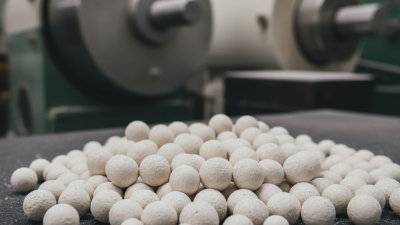
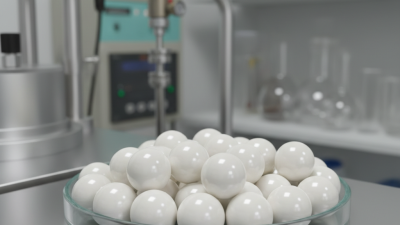
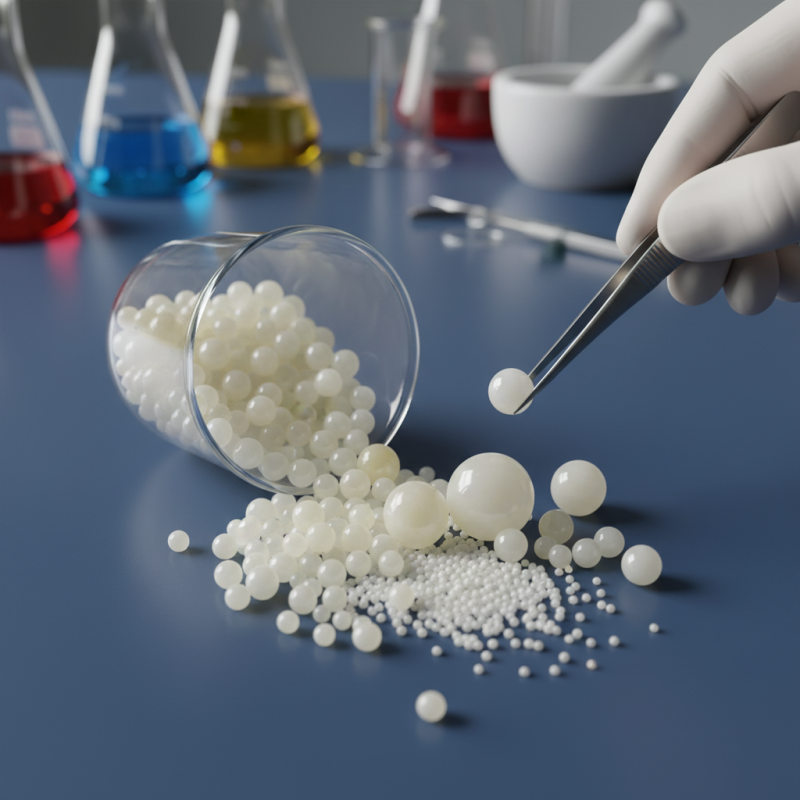
Yttria stabilized zirconia (YSZ) is a unique material known for its durability and strength. It features extraordinary hardness and resistance to wear, making it ideal for various applications. Many industries prioritize YSZ for cup liners, ball mills, and grinding media. These tiny beads withstand high temperatures without losing their performance. Their low thermal conductivity is also a significant advantage.
In addition to their practical properties, YSZ beads are also lightweight. This makes them easy to handle and transport. However, not all yttria beads are created equal. The composition and manufacturing processes can vary greatly. Some may not perform as expected, leading to inefficiencies.
Understanding the specific needs of your application is vital in choosing the right product.
Another aspect to consider is the environmental impact. The extraction of zirconium can be resource-intensive. It raises questions about sustainability. While YSZ offers enhanced performance, it’s essential to weigh its benefits against potential downsides. Keeping this in mind will lead to more informed decisions in material selection.
Key Factors in Selecting Yttria Stabilized Zirconia Beads for Your Needs
When selecting yttria stabilized zirconia beads, several key factors deserve attention. First, consider the bead size. Smaller beads are excellent for fine milling. They create a greater surface area, leading to improved efficiency. However, larger beads can achieve faster grinding rates. Balancing these aspects is crucial based on your specific needs.
Next, the bead density plays a significant role. Higher density beads tend to last longer and resist wear better. This durability often justifies the investment. However, they can be pricier. It's important to weigh the initial cost against the longevity of the beads. Additionally, think about the material's resistance to chemicals. Some applications require special considerations, especially in abrasive environments.
The shape of the beads also matters. Spherical beads often provide better flow characteristics. However, cylindrical options can offer different benefits depending on your process. Experimenting with various shapes may lead to unexpected insights. Lastly, pay attention to supplier reliability. Not all suppliers provide uniform quality. Investing time to select the right source can lead to superior outcomes.
Top Manufacturers of Yttria Stabilized Zirconia Beads in the Industry
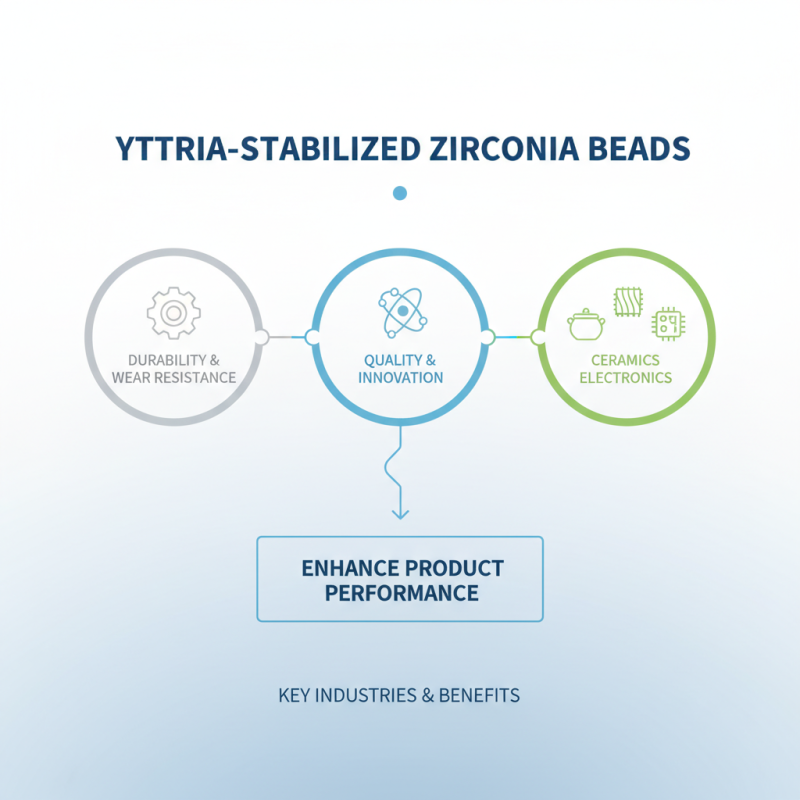
In the world of yttria stabilized zirconia beads, several manufacturers stand out for their quality and innovation. This material is prized for its durability and resistance to wear. Many industries rely on it, including ceramics, textiles, and electronics. It's fascinating to consider how these beads can enhance the performance of various products.
Top manufacturers focus on precision and consistency in their production processes. They often invest in advanced technology and rigorous testing. However, not every product meets the high standards expected by consumers. Some might find inconsistencies in size or quality. It’s always worth investigating suppliers thoroughly before making a decision.
When selecting yttria stabilized zirconia beads, the manufacturing process is critical. You should look for companies that prioritize quality control. Also, consider the sourcing of raw materials. It can affect the final product's performance. Transparency from manufacturers is essential. This builds trust and ensures you receive reliable materials for your applications.
Performance Metrics: Comparing Different Yttria Stabilized Zirconia Beads
When comparing different yttria-stabilized zirconia (YSZ) beads, understanding their performance metrics is crucial. These beads are widely used in industries like ceramics, electronics, and even in advanced manufacturing processes. According to a recent industry report, bead density plays a significant role in their effectiveness. Higher density generally means better durability and lower wear rates.
Additionally, the particle size distribution affects the milling process in ceramic applications. Studies indicate that using beads with a narrow particle size range can enhance efficiency. A 2022 report highlighted that optimal bead sizes can improve grinding performance by up to 30%. However, this often requires balancing bead sizes with the fluid viscosity to avoid operational inefficiencies.
Tip: Consider the specific requirements of your application before choosing bead size. Smaller beads may lead to finer particle sizes, but they also may generate more heat and wear down faster.
Another factor to weigh is the bead's surface roughness. While rougher surfaces can enhance grinding efficiency, they may also lead to unwanted contamination of the material being processed. Reflect on whether the trade-off is worth it for your needs. Understanding these performance metrics is key to selecting the best yttria-stabilized zirconia beads.
Industry Standards and Certifications for Yttria Stabilized Zirconia Beads
Yttria stabilized zirconia beads are essential in various industries, particularly in grinding and milling applications. Understanding industry standards and certifications for these beads is vital. The American Society for Testing and Materials (ASTM) provides a framework for evaluating their quality. These beads must meet specific criteria, including hardness, wear resistance, and chemical stability.
According to a recent industry report, more than 55% of manufacturers prioritize beads that conform to ISO 9001 certification. This standard ensures consistent quality and reliability. Beads may also adhere to ASTM C1285 for ceramic materials. Certification ensures that the materials have undergone rigorous testing. This includes assessments of their mechanical properties and thermal stability.
Some suppliers may not fully disclose their certification status. This can lead to uncertainty about product reliability. Buyers must examine certification documents carefully. A lack of transparency can result in subpar products. Selecting beads without recognized standards may compromise your project's quality. Always prioritize certified products for optimal performance.