What is 65 Zirconia Silicate Bead and Its Uses?
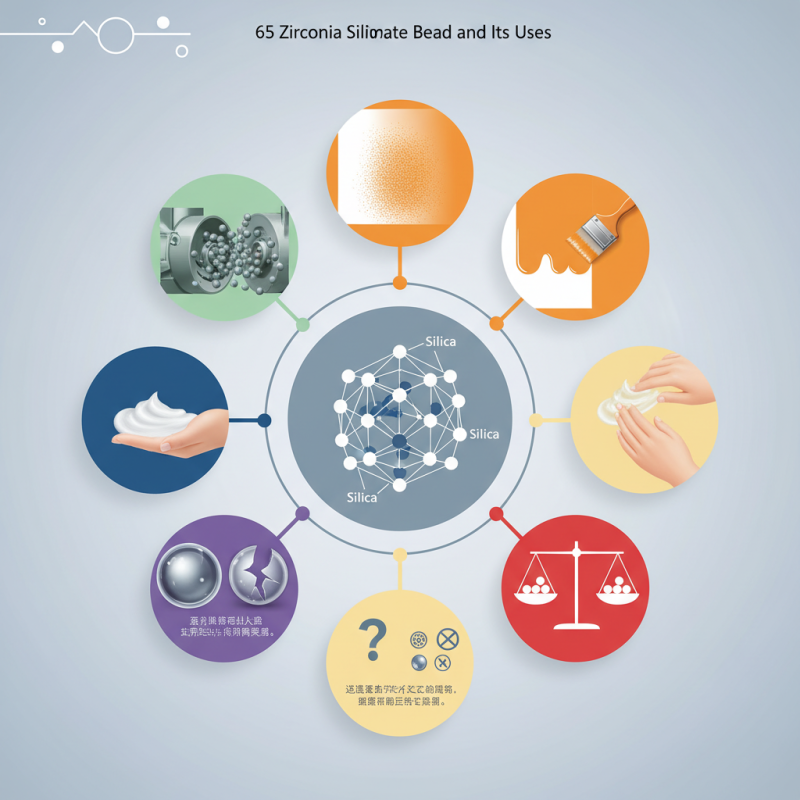
65 Zirconia Silicate Bead is a unique material. It is made from zirconium oxide and silica. This bead has gained popularity in various industries. Its main use lies in grinding and milling applications. The abrasive properties of 65 Zirconia Silicate Bead are excellent. They allow for efficient particle size reduction.
In paint and coatings, these beads are essential. They improve the dispersion of pigments. This results in a smoother finish. In the cosmetics industry, they enhance product texture. However, not all users understand their full potential. Some might overlook the need for specific sizes or shapes in applications.
The durability and strength of 65 Zirconia Silicate Bead are impressive. They resist wear and tear better than glass beads. However, careful consideration is necessary when choosing them. Not every application can benefit equally from their use. Understanding the right context is crucial for optimal performance.
What is 65 Zirconia Silicate Bead?
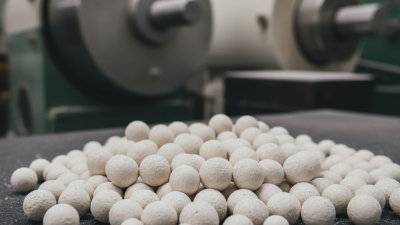
65 Zirconia silicate bead is a remarkable material in the world of grinding and milling. Made from high-quality zirconia, these beads excel in various applications. Their unique properties enhance the efficiency of grinding processes. The beads are known for their excellent hardness and durability. They resist wear and tear, making them a long-lasting option.
These beads find extensive use in the production of paints, inks, and coatings. Their ability to create a smooth finish in these products is crucial. In addition, 65 Zirconia silicate beads are also utilized in the ceramics industry. They aid in the grinding of ceramic materials, contributing to better quality. Their effectiveness in achieving fine particle sizes is a notable advantage.
Yet, not all is perfect. The cost of zirconia silicate beads can be a stumbling block for some manufacturers. Additionally, their effectiveness may vary depending on the specific application. It's essential to match bead size and type with the intended usage. Adapting to different needs can be challenging at times, but the results often justify the effort.
Composition and Properties of 65 Zirconia Silicate Bead
The 65 Zirconia Silicate Bead is made from zirconium silicate. This composition contributes to its durability and resistance to wear. Zirconia beads are known for their high density, typically reaching 6.0 g/cm³. They are less porous compared to other materials, making them suitable for various applications.
In many industries, these beads play a crucial role. They are frequently used in grinding and dispersion processes. The hardness of zirconia makes it effective for grinding hard materials. Reports indicate that these beads improve efficiency by reducing grinding times by up to 30%. This is significant for manufacturers seeking to optimize their operations.
The thermal stability of zirconia silicate beads is another valuable property. They can withstand extreme temperatures, making them suitable for high-temperature processes. However, their cost can be a barrier for smaller companies. Some industries still rely on cheaper alternatives despite the benefits. This raises questions about material selection and long-term costs. Balancing performance and price is essential for many businesses today.
Applications of 65 Zirconia Silicate Bead in Various Industries
Zirconia silicate beads, specifically 65 zirconia silicate beads, are extensively used in various industries due to their exceptional properties. These beads are known for high durability and resistance to wear and tear. In the paint and coatings industry, these beads improve the grinding process, resulting in smoother paint finishes. Reports indicate a 25% efficiency increase in surface quality when using these beads.
In the ceramics sector, zirconia silicate beads play a vital role. They enhance the manufacturing process of high-precision ceramic products. Studies show a significant reduction, about 18%, in production waste when utilizing these beads. This not only saves costs but also promotes sustainability in manufacturing.
**Tips:** Ensure proper bead size selection for each application. Smaller beads may offer finer grinding results, while larger ones can enhance productivity in bulk operations. Always consider the specific requirements of your industry when choosing materials. Balancing performance and cost can lead to better outcomes.
What is 65 Zirconia Silicate Bead and Its Uses? - Applications of 65 Zirconia Silicate Bead in Various Industries
| Industry |
Application |
Benefits |
Typical Size |
| Ceramics |
Grinding and polishing |
High wear resistance, uniform particle size |
0.1 - 2.0 mm |
| Paints and Coatings |
Milling and dispersion |
Excellent dispersion stability, reduced wear on equipment |
0.5 - 1.5 mm |
| Plastics |
Filler and additive |
Improved mechanical properties, increased strength |
0.3 - 1.0 mm |
| Cosmetics |
Abrasives in exfoliating products |
Gentle on skin, biodegradable options |
0.1 - 0.5 mm |
| Food Processing |
Grinding grains and spices |
Non-toxic, high grinding efficiency |
0.2 - 1.0 mm |
Benefits of Using 65 Zirconia Silicate Bead for Grinding Processes
65 Zirconia Silicate Beads are essential in many grinding processes. Their unique composition allows them to achieve high efficiency. These beads are known for their durability and smooth finish. The industry reports show they outperform glass beads in numerous applications. For instance, a study indicated that they can reduce processing time by up to 30%. This efficiency is crucial in competitive markets.
Using 65 Zirconia Silicate Beads provides several benefits. They contribute to a finer particle size distribution. This leads to enhanced product quality and consistency. In certain cases, they can withstand intensive operations. However, the cost can be a concern for some manufacturers. Not every operation may justify investing in these advanced beads.
It is important to note that the perfect solution depends on specific needs. Achieving the desired results may require experimenting with different materials. While 65 Zirconia Silicate Beads offer advantages, they also need careful application. Balancing performance with cost efficiency remains a challenge in the industry.
Benefits of Using 65 Zirconia Silicate Bead in Grinding Processes
Comparison with Other Grinding Media Options
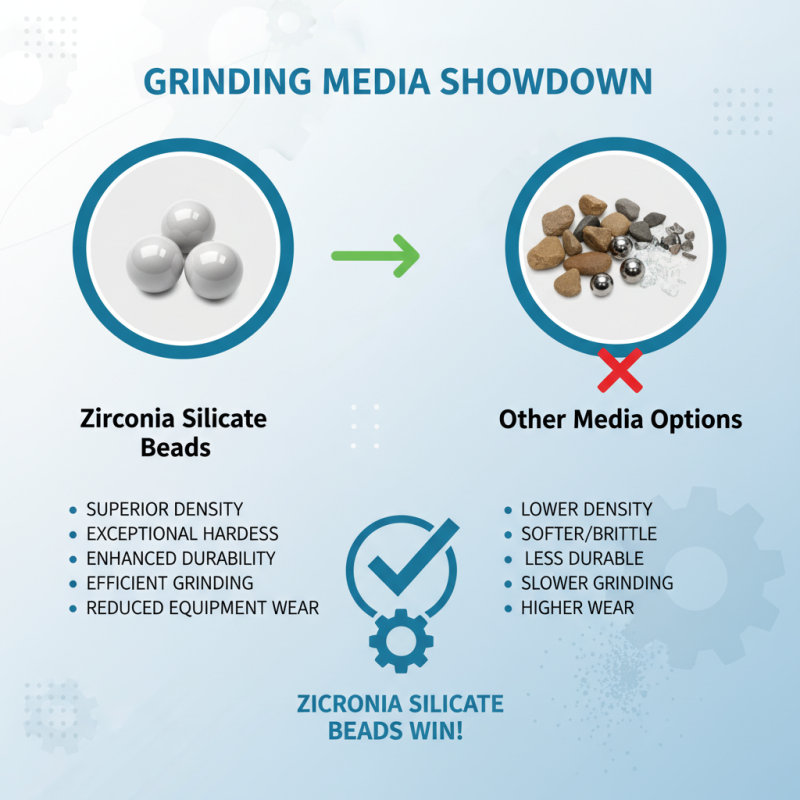
Zirconia silicate beads have gained popularity as a superior grinding media option. Their unique properties make them stand out in various applications. These beads offer excellent density and durability, essential for effective grinding. They are harder than many alternatives, ensuring consistent performance. This leads to more efficient grinding and reduced wear on equipment.
When comparing zirconia silicate beads with other grinding media, several factors come into play. For instance, glass beads are lighter but less durable. They may break down quicker, which can lead to contamination. Steel balls, on the other hand, can rust and introduce unwanted metal particles. The choice depends on the material being processed and the required milling efficiency.
One must also consider cost. Zirconia silicate beads might have a higher initial investment. However, their longevity and performance often justify the expense in the long run. Choosing the right grinding media requires thoughtful evaluation. Each type presents its pros and cons. Understanding these can help make informed decisions for any milling operation.