2026 Best Zirconia Ball Price Comparison Guide?
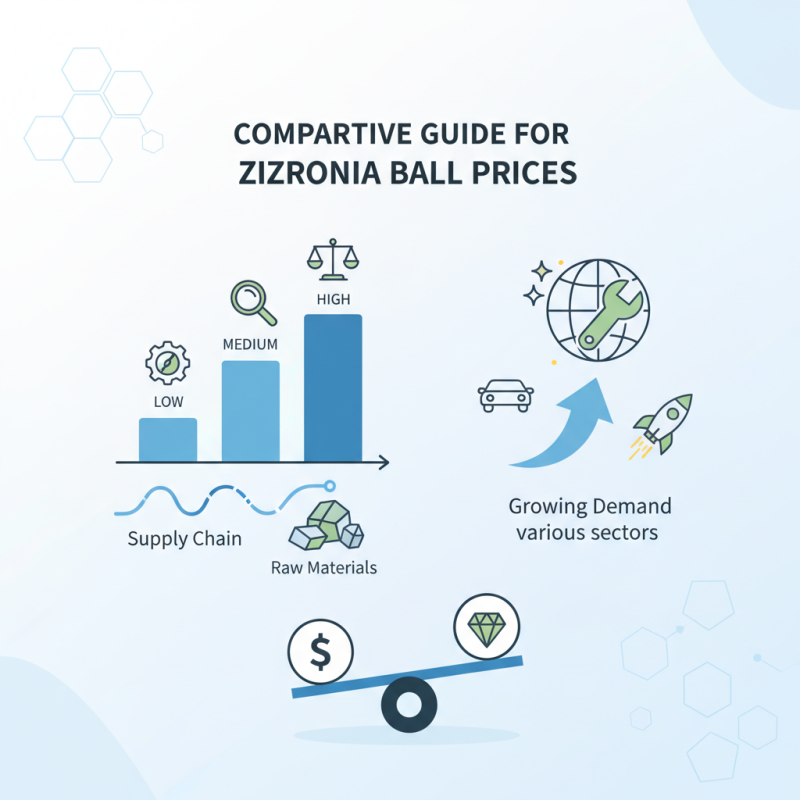
The Zirconia Ball Price remains a crucial aspect for industries relying on high-performance materials. According to a recent market analysis by industry expert Dr. James Lin, "Zirconia balls are key for precision applications, and understanding their pricing can lead to better procurement strategies." The report highlights that the price of zirconia balls has fluctuated by 15% over the past year, influenced by supply chain challenges and raw material costs.
As industries evolve, the demand for high-quality zirconia balls grows. Various sectors, including aerospace and automotive, utilize these durable balls for their unique properties. Despite their importance, many buyers struggle with effectively comparing prices. This lack of clarity can lead to uninformed decisions, affecting overall project budgets.
Amidst the pricing complexity, customers must evaluate quality alongside cost. As Dr. Lin notes, "Not all zirconia balls are created equal." Price alone does not equate to performance. This reinforces the need for proper research and quality assessment in acquiring zirconia balls, sparking a conversation on the balance of value versus expense.
Overview of Zirconia Balls and Their Applications
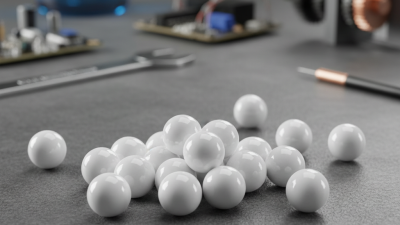
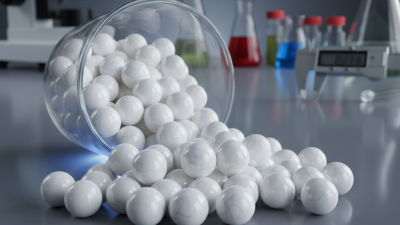
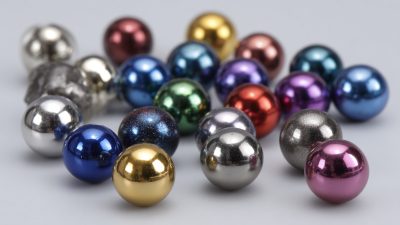
Zirconia balls are used in various industries due to their excellent properties. These balls are made from zirconium dioxide. They are extremely hard and resistant to wear. This makes them ideal for applications in grinding, milling, and polishing. Many also use them in bearings, valve components, and even medical devices.
Choosing the right zirconia ball is crucial. Size and tolerance impact performance. Always consider the application before buying. A wrong choice can lead to inefficiency.
Tips: Always check for detailed specifications. Different applications may require specific properties. Sometimes, quality may vary among suppliers. Research is key. Understand your needs deeply before making a purchase. Proper knowledge can save money and prevent mistakes.
Factors Affecting Zirconia Ball Prices
When it comes to zirconia ball prices, several factors come into play. The material quality is crucial. High-purity zirconia typically costs more due to its enhanced properties. For instance, a 2021 industry report noted that zirconia with a purity level above 99% can increase prices by up to 30%. This premium is justified by improved wear resistance and mechanical strength.
Another critical factor is size and precision. Smaller, more precisely manufactured zirconia balls tend to be more expensive. A detailed market analysis revealed that a standard ball with a diameter of 5 mm can range from $0.05 to $0.10, while precision balls can exceed $0.20 each. Such disparities highlight the importance of manufacturing techniques.
Lastly, the sourcing of raw materials can fluctuate. Factors like supply chain disruptions can inflate costs unpredictably. Some reports indicate that the price of zirconia powder can vary, sometimes by 15% in just a few months. This volatility causes uncertainty for manufacturers and buyers alike. It’s essential to keep track of these variables when considering purchases.
Comparative Analysis of Zirconia Ball Suppliers
When selecting zirconia ball suppliers, consider a few important factors. Quality and pricing play crucial roles. Not all suppliers are equal. Some focus on precision, while others might prioritize affordability. Finding a balance between these aspects can be challenging.
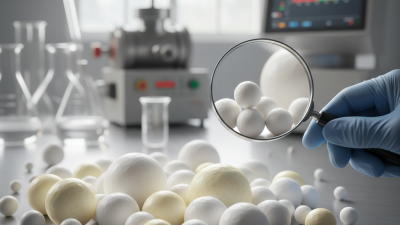
Evaluating supplier reliability is key. Check their production methods. Some suppliers may cut corners, compromising product quality. Do detailed research. Request samples for inspection. Compare sizes and finishes. This helps ensure you get what you pay for.
Consider delivery times and customer service too. A supplier with great products may lack in communication or shipping speed. Assess their response times to inquiries. A consistent supplier can make your procurement process smoother. Price isn't everything; quality and service matter just as much.
Cost-Benefit Evaluation of Zirconia Balls
When evaluating the cost-effectiveness of zirconia balls, several factors come into play. Zirconia, known for its durability and chemical resistance, often presents a higher upfront cost than alternatives. Industry reports indicate that wholesale prices can range from $2 to $5 per ball, depending on the size and specifications. This initial expense can be justified by the longevity and performance of zirconia in various applications.
In many cases, zirconia balls last significantly longer than steel or plastic options. A 2019 study found that zirconia balls can reduce wear rates by up to 50%. This leads to less frequent replacements, resulting in savings over time. Nonetheless, companies must assess their specific needs to determine if the higher cost aligns with their usage patterns.
Tips: Consider your application requirements before purchasing. Assess the frequency of replacements with your current materials. Evaluate the total cost of ownership, not just the purchase price. Meanwhile, it's crucial to reflect on potential hidden costs, like downtime and maintenance, which can escalate if cheaper materials are chosen.
2026 Best Zirconia Ball Price Comparison Guide
| Diameter (mm) |
Price per Unit ($) |
Pack Size |
Cost per Pack ($) |
Applications |
| 3 |
0.50 |
100 |
50.00 |
Ceramics, Dental |
| 5 |
0.80 |
50 |
40.00 |
Ball Bearings, Jewelry |
| 10 |
1.50 |
25 |
37.50 |
Industrial, Medical |
| 15 |
2.00 |
10 |
20.00 |
Aerospace, Automotive |
Future Trends in Zirconia Ball Pricing and Market Demand
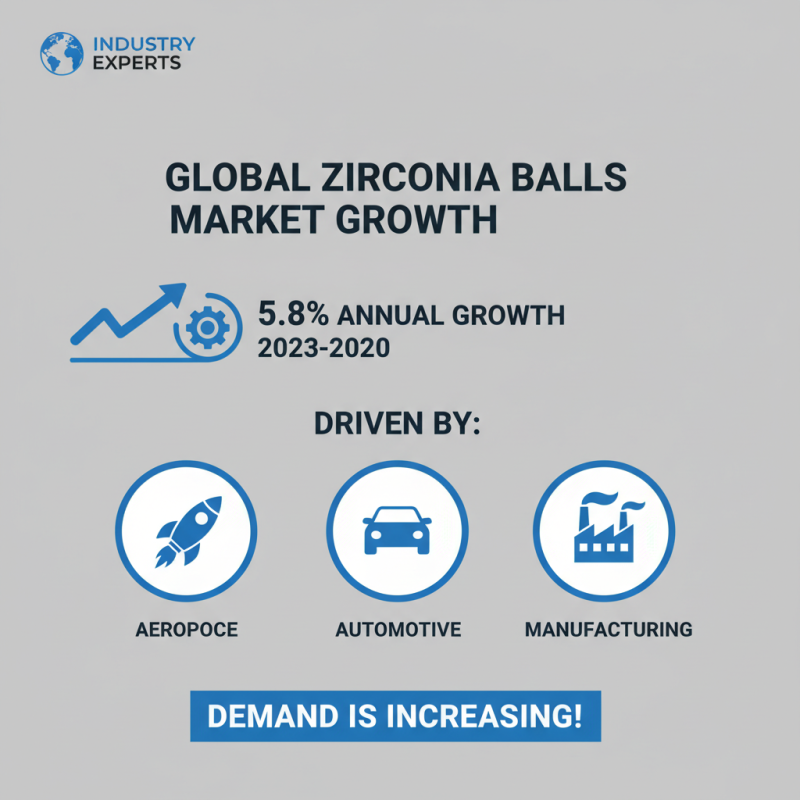
The demand for zirconia balls is rapidly increasing. Industry experts predict this trend will continue. As of 2023, the global market for zirconia balls is projected to grow by 5.8% annually. This growth is driven by various sectors, including aerospace, automotive, and manufacturing.
While the rise in demand is clear, pricing remains a complex topic. Currently, the average price of zirconia balls fluctuates between $10 and $30 per unit. This fluctuation can be attributed to raw material costs, production methods, and market competition. Reports indicate that manufacturers are struggling with rising material costs. This will likely influence future pricing.
Consumer preferences are shifting toward higher quality and more durable products. As new applications for zirconia balls emerge, businesses might need to reassess their pricing strategies. Many companies are also exploring alternative materials. This could change the dynamics of the zirconia ball market further. Observing these trends can help stakeholders make informed decisions. The future is uncertain, and careful observation is essential.